PAMIBARHotel MinibarsPAMIBAR Hotel Minibars
Back to Journal
Revenue & service4 min read

Minibars for suites: when luxury demands a wine cooler

In luxury suites and superior rooms, the classic minibar is not enough. When the assortment includes Champagne or fine red wines, serving temperature becomes a critical differentiator for the guest experience.

Minibars for suites: when luxury demands a wine cooler
01

Impact on RevPAR and Pricing Strategies

An optimized minibar is not just a commodity, but a direct revenue driver. Market analysis shows that the presence of a silent, well-stocked minibar can justify a premium price on the room rate, increasing RevPAR (Revenue Per Available Room) by up to 15%. Guests immediately perceive the difference between a noisy standard appliance and a zero-decibel integrated solution, rating the overall stay experience with higher scores on OTAs (Online Travel Agencies).

The pricing strategy for products inside the minibar must reflect the property's target audience. While boutique hotels can focus on local, organic, and artisanal high-margin products, business hotels profit more from essential comfort items. In both cases, the internal LED lighting of the minibar plays a key psychological role: visually enhancing the product increases its desirability and, consequently, the frequency of impulse buying.

02

Environmental Sustainability and Certifications (ESG)

ESG (Environmental, Social, and Governance) metrics are now central to hotel investment decisions. Choosing minibars with higher energy classes not only slashes operational costs (OpEx) but improves the property's sustainability rating. Advanced thermoelectric systems, being free of harmful refrigerant gases (such as old CFCs or HCFCs), actively contribute to reducing the hotel's carbon footprint.

Furthermore, environmental certifications (e.g., LEED, BREEAM) reward properties that adopt low-impact technologies. A modern minibar features intelligent auto-defrost systems and sleep timers that deactivate the compressor when the room is typically empty or during nighttime rest hours, further optimizing the energy profile without any compromise on cooling performance.

03

The Future of Hospitality: IoT Integration and Smart Minibars

The future of the hotel industry travels on the tracks of the Internet of Things (IoT). Next-generation minibars will not be simple refrigerators, but intelligent nodes connected to the hotel's PMS (Property Management System). Weight sensors and lasers will allow the guest's account to be automatically charged the moment a product is removed, eliminating check-out disputes and revenue loss from unbilled items.

This interconnectivity will also enable predictive maintenance. The minibar will be able to communicate in real time with the engineering department if temperatures exceed optimal thresholds or if the compressor registers anomalies. This paradigm transforms the role of housekeeping, which will be able to restock rooms in a targeted manner only where necessary, drastically optimizing labor costs and operational process efficiency.

04

Design Ergonomics and User Experience (UX)

We cannot underestimate the importance of ergonomics. The positioning of the appliance, the opening angle of the door, and the fluidity of the sliding hinges subconsciously influence the user's perception of quality. Installation at an appropriate height prevents the guest from having to bend down uncomfortably, improving accessibility even for people with reduced mobility.

From an interior design perspective, the minibar must be an element of continuity. Whether opting for a front panel that matches the wood veneers of the desk, or a mirror door that amplifies the perception of space in smaller rooms, the goal is always visual harmony. Elegance is hidden in invisible details, such as silent magnetic seals and soft-closing sliding guides.

05

Advanced Management & Operational Efficiency

In the competitive landscape of modern hospitality, operational efficiency is no longer a luxury, but a vital necessity. Successful hoteliers know that every single element of the room contributes to the overall guest experience, and the minibar is no exception. Choosing a highly efficient minibar, combined with correct installation and maintenance, can transform a cost center into a powerful tool for revenue and customer satisfaction.

Optimizing energy consumption is a fundamental pillar. Modern refrigeration systems, whether absorption or thermoelectric, are designed to minimize environmental impact and lower utility bills. But efficiency does not stop at technology: proper ventilation of the hosting cabinet is crucial. A minibar without adequate air circulation is bound to consume three times as much, working under stress and drastically reducing its life cycle.

Silence is another essential factor. The promise of perfect rest is broken if the minibar emits vibrations or humming during the night. For this reason, 0-decibel technologies represent the gold standard for luxury rooms, ensuring that nothing disturbs the guest's sleep. This level of comfort translates directly into positive reviews, customer loyalty, and ultimately, an increase in Revenue Per Available Room (RevPAR).

Placement in the room is equally decisive. An ergonomic positioning not only facilitates access by guests, but drastically speeds up daily housekeeping operations. Avoiding building the appliance near heat sources, such as radiators or hot water pipes, is a golden rule that prevents breakdowns and thermal inefficiencies that would weigh heavily on the property's energy budget.

Furthermore, the front design plays a subtle but powerful psychological role. A glass door illuminated with LEDs acts as a showcase, stimulating impulse purchases and increasing product rotation. On the other hand, a paneled solid door blends perfectly with the interior design, offering superior thermal insulation and communicating discreet luxury, ideal for high-end resorts and boutique hotels.

Finally, the inclusion of premium products, such as fine wines or champagne, requires dedicated solutions. In-room wine coolers maintain reds and whites at ideal tasting temperatures, protecting aromas and avoiding the unforgivable mistake of serving a frozen Barolo. It is this obsessive attention to detail that transforms a simple stay into a memorable, loyalty-building experience.

06

The thermal mistake: frozen reds and warm whites

Standard minibars are calibrated between 4°C and 7°C, the perfect temperature for water, beer and juices. Serving a premium red wine at 5°C completely destroys its organoleptic profile.

Conversely, leaving expensive bottles at room temperature (often 24°C in hotels) compromises their quality.

07

The solution: Dedicated Wine Coolers

In-room compressor or thermoelectric wine coolers allow setting zones at 12°C or 16°C, preserving the wine's aromas intact.

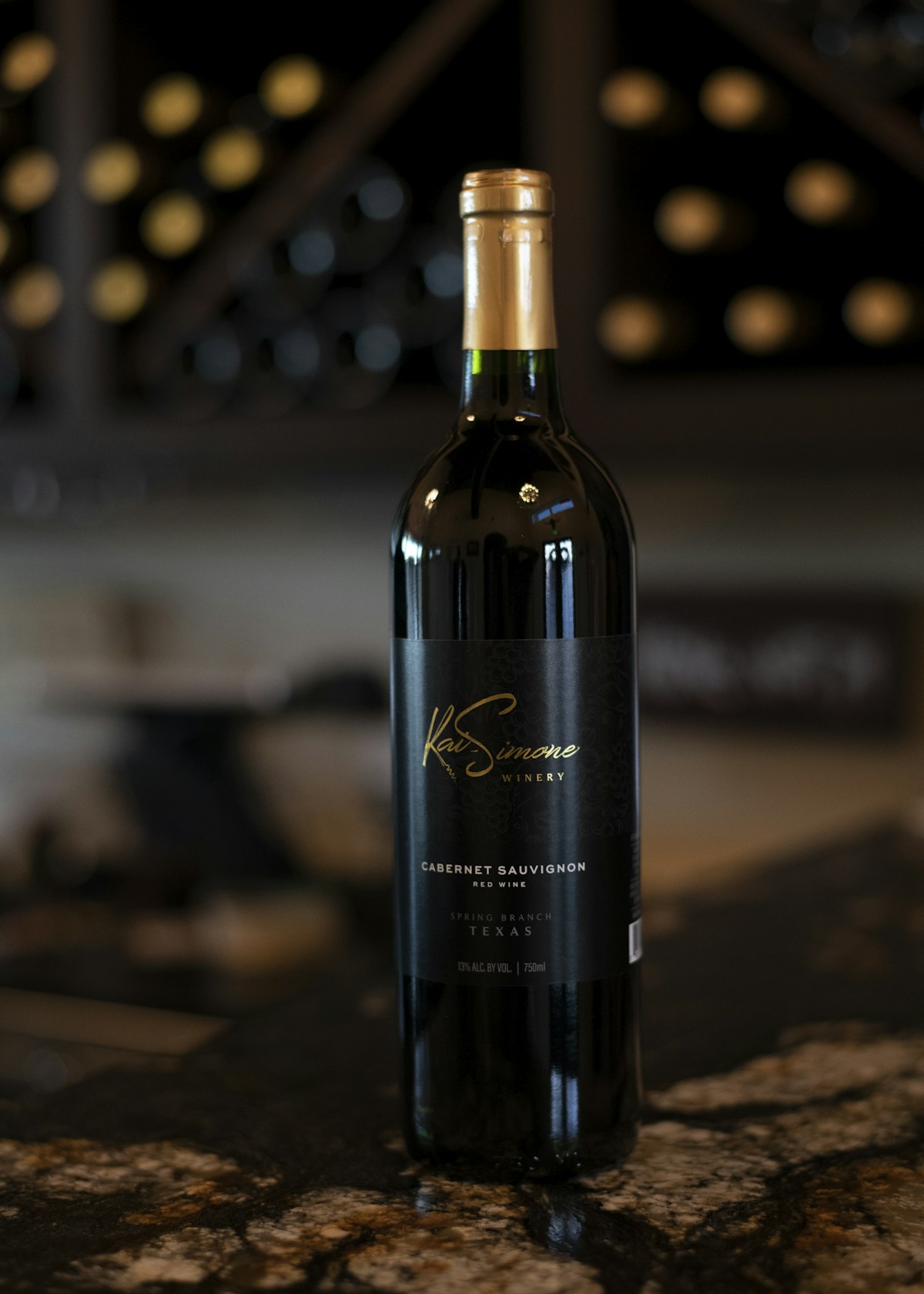
The visual impact of a wine cooler with wooden shelves and amber light instantly elevates the perceived value of the suite.

Frequently asked questions

Are in-room wine coolers noisy?

Models designed for suites use insulated compressors or thermoelectric technology, ensuring non-disturbing acoustic thresholds.

Can I put water and beer in the wine cooler?

Yes, but if set to 14°C for wine, water will not be cold enough for classic standards.

Go deeper with PAMIBAR

The correct choice begins with room, climate, furniture and service. Our team can assess these elements for your project.

Request a technical review